
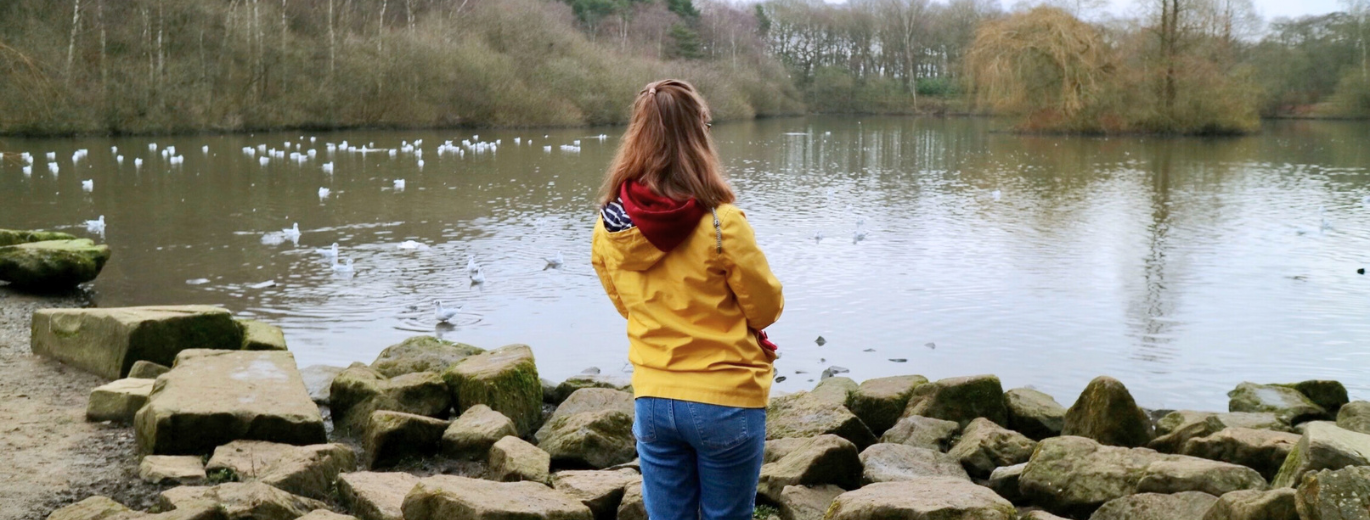
Yoga isn’t a cure and my energy levels are low - but here’s how to stay active as a disabled person
Having enough energy to get through the day can feel like an achievement! When you’re disabled this can often be the case. Everything is slightly more taxing - but that all adds up. This is exactly why staying active is both hard work and important. In this blog post I’ll explore my favourite ways to stay active and how I adapt them to suit me.
I have mild cerebral palsy and I’m registered blind. For me, this means I can experience pain and fatigue. It also means things need to be accessible from a visual perspective. I’ve spent a long time figuring out how I can exercise in a way that supports my mobility.
I’ve also figured out ways to stay safe and avoid causing a flare-up in symptoms. It’s important to acknowledge that exercise impacts everyone differently. Please only do what works for your body.
Yoga is my physio
Yoga will never cure me. I will always have cerebral palsy. Yet it has contributed to a stability in my mobility and allows me to exercise in a way that suits me. I try to go once a week. In practice, it’s more like 3 times a month.
To begin with I was apprehensive, especially as it can be sold as a cure. What I discovered was a welcoming community, support and belonging. All of which have supported my physical and mental health.
My guide dog Dezzie and I mainly attend a slower vinyasa flow class. This allows me to work at a slower pace and focus on restorative poses through stretching. I’ll be honest, I received exercises from a physiotherapist years ago, but that piece of paper is in the bin. But the yoga positions are not too dissimilar. That being said, yoga is more social, structured and enjoyable.
Despite a yoga teacher physically demonstrating all of the poses, they also verbalise exactly what to do. This allows me to follow along even if I’m near the back of the studio.
It’s also really important to acknowledge that yoga can be modified. You should make the poses fit your body and not the other way round. I do have a modified practice to include my cerebral palsy, but I’ve found the teacher is always on hand to suggest alternatives that still give me the benefits.
Swimming gets me in the zone
Swimming and I have a love-hate relationship.
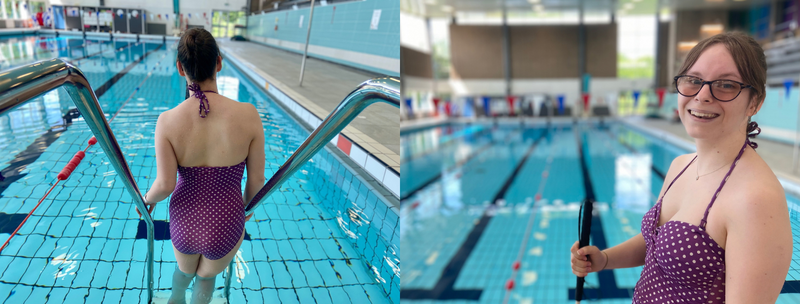
I love it once I’m in the pool. I get in the zone and enjoy the back and forth of low-impact exercise. I’m not a fan of the commute and the effort involved before and after a swim. All of this uses quite a lot of energy. As a result, I don’t go as often as I should, but I aim for once a month.
However, my local swimming baths have done a few things to make my trip more accessible:
- discounted entry as a disabled person and free entry to the person who’s supporting me.
- putting out larger steps for me to get in and out of the pool, rather than a ladder.
- moving the slow lane to the end so I can use the wall as a guide.
When I do go, I feel mentally and physically better for it. Am I a good swimmer? Not really. I’m always in the slow lane and like to find a balance between taking my time and pushing myself. But that’s okay. We don’t need to be good at everything we do. Yet I do see progress if I keep at it.
For once, it’s nice to do something just because it benefits you.
Walks in nature clear my head
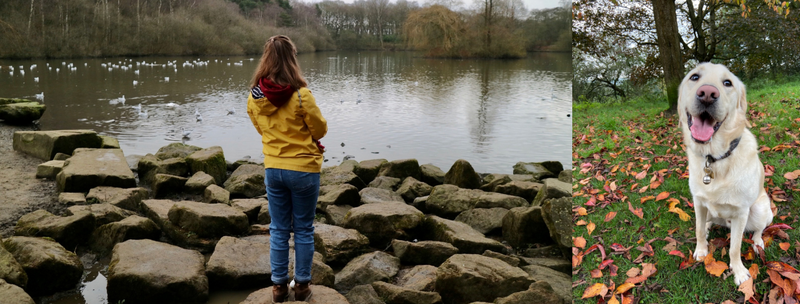
It might sound simple, but a stroll in nature can really help my mood - especially if you’re with someone and have a dog running into the distance!
My guide dog Dezzie (photographed) needs off-duty time so he can keep working at his best. Most of the time this means taking him to a nature park for an off lead walk. It means he can run, sniff and socialise with other dogs.
It also means I get to breathe in the fresh air, admire the views of the changing seasons and keep up my mobility.
Tips to get you started
Often, the hardest part is getting started. Especially when you’re busy and there’s so much choice. Here are some of the tips I have:
- Make it simple: Keeping active doesn’t need to be complicated, everyday experiences like carrying shopping all count.
- Pace yourself: Schedule exercise into your energy limits so you don’t overdo it, but if you miss a class, that’s okay.
- Think outside of the box: Online classes are a great way to get started and try something from the comfort of your home.
- Start off small: Build up to regular exercise — I started with swimming every other month.
- ‘Try it out’ classes: Some places offer a free pass to try out a new class or give you a cheaper membership when starting off.
- Make it fit you: There are classes specifically for disabled people, but instructors can adapt their class and offer guidance — but don’t do something you’re not comfortable with.
- Find your community: Keeping active can also be about the people you meet and the social connection.
- Have fun: Yes, it sounds cheesy — but if you don’t enjoy it, try something else.
If you’re wanting to go to a gym or leisure centre, don’t forget you can use the AccessAble detailed access guides. They’ll show you what’s in your area and allow you to check accessibility information.
Above everything, look after yourself. Only you know what works and what doesn’t.